
Equipping 1.119 New Students with Study Skills and Academic Strategies, UII's Faculty of Law Prepares Initial Steps Toward Academic Success

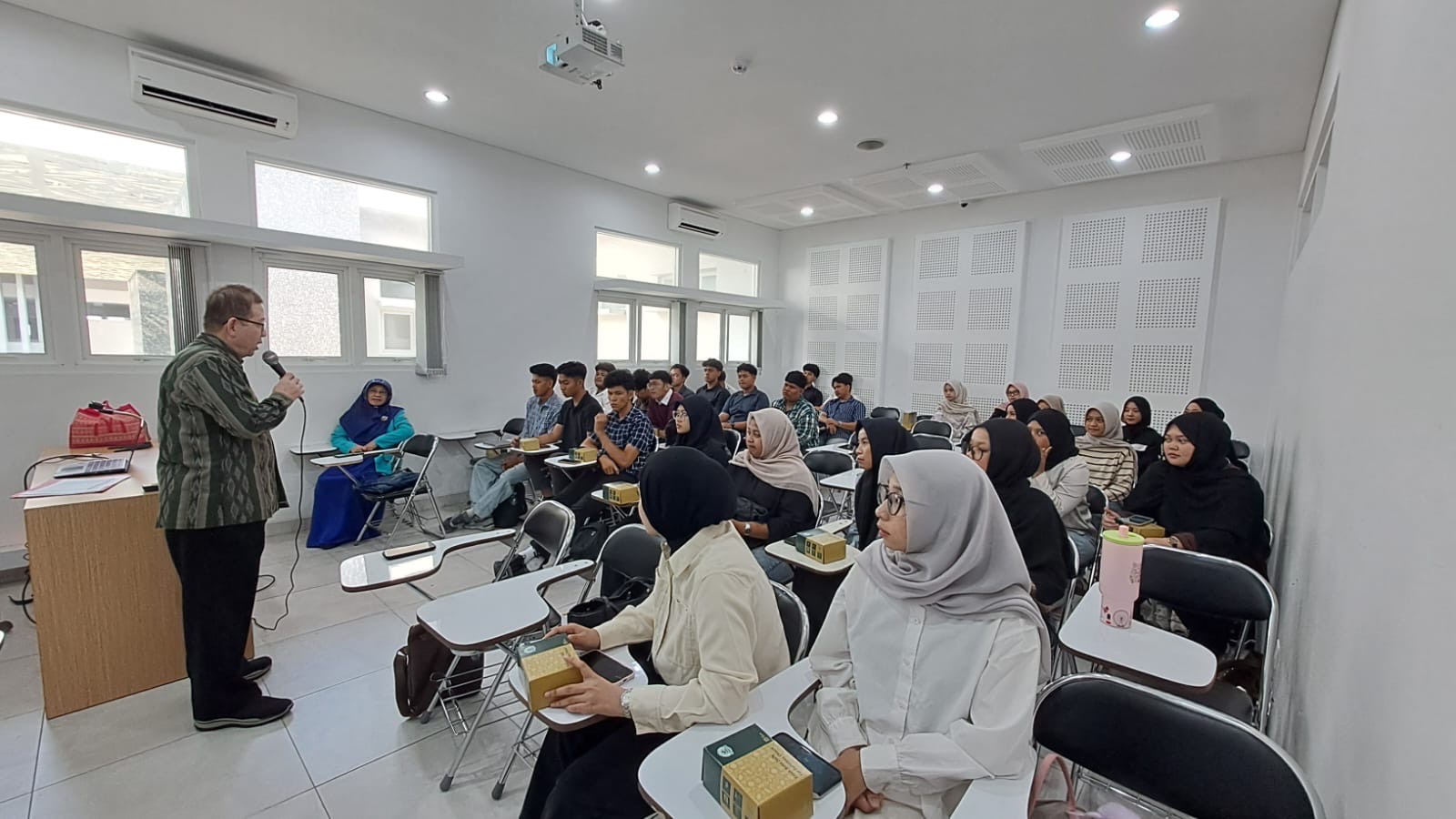
Yogyakarta, September 19, 2026 — Entering college is more than just moving from a classroom to a classroom. Students are expected to manage their own learning process, understand the academic system, build healthy relationships, and possess the resilience to complete their studies. Recognizing this, the Faculty of Law Universitas Islam Indonesia (FH UII) held Study Skills and Academic Explanation for New Students in 2026.
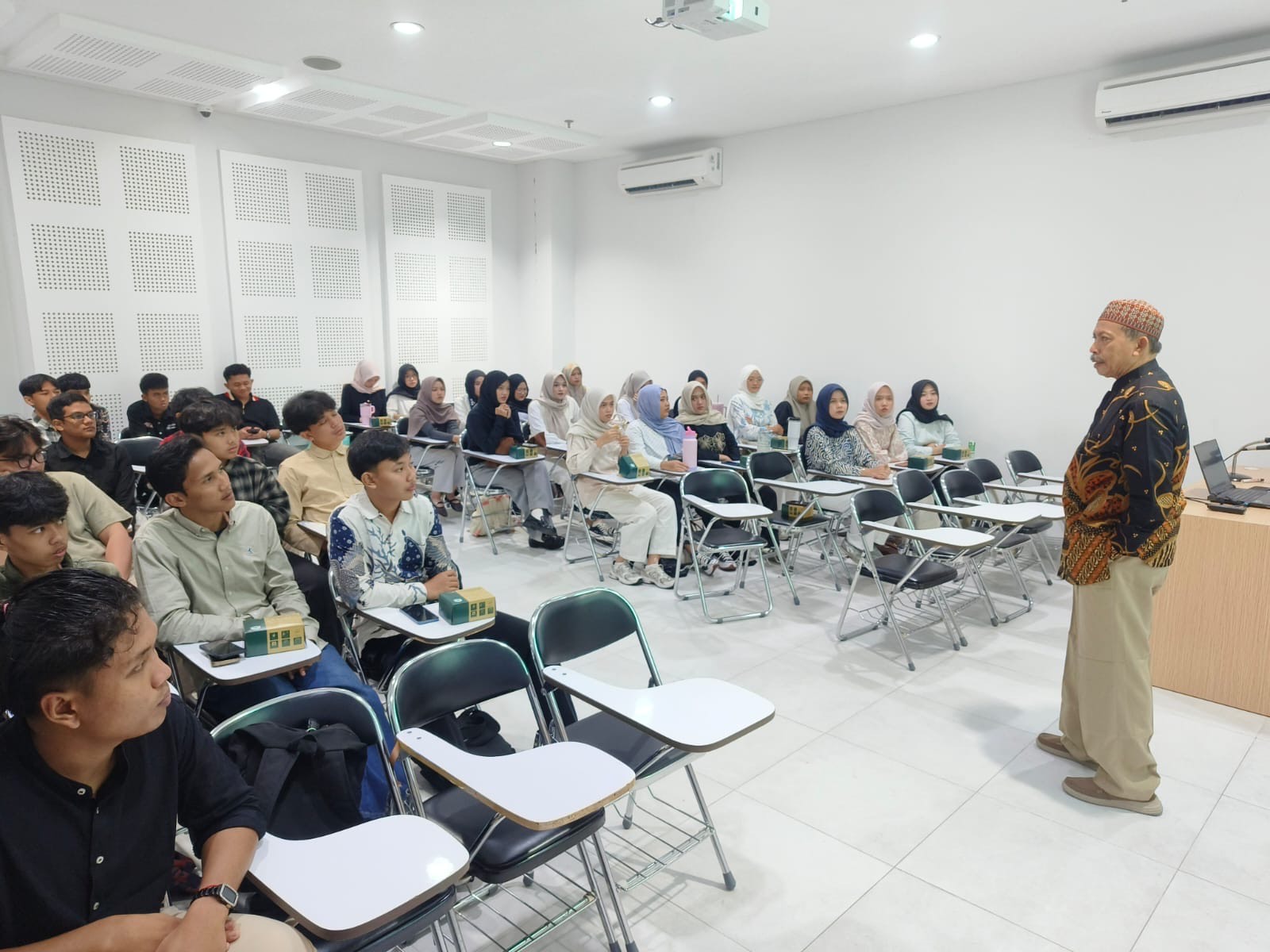
This activity was attended by 1.119 new students from three undergraduate programs at the Faculty of Law, UII: the Undergraduate Law Study Program (PSHPS), the International Program (IP), and the Undergraduate Business Law Study Program (PSHBPS). The students participated in 21 parallel classes with materials designed to help them understand effective study methods and gain a deeper understanding of university life and academic systems.
From Student to Learner in College
In his remarks delivered in a hybrid format, the Dean of the Faculty of Law at UII, Agus Triyanta, stated that new students need to be adequately equipped from the outset to enable them to navigate the university education process in a focused manner.
According to him, students will receive provisions from lecturers regarding learning skills in higher education, as well as enlightenment regarding strategies for pursuing education effectively so they can complete their studies on time.
"Students attending this morning will receive training from lecturers on college study skills. They will also receive enlightenment and effective strategies to graduate on time."
Agus Triyanta also emphasized that education at the UII Faculty of Law is not only directed at making students know and master knowledge, but also able to understand the nature of learning and knowledge.
This understanding, he continued, will be an important asset for students to connect the knowledge gained in the lecture hall with real life.
"When students understand, it will be easier to apply it in their daily lives, at work, and it will also be easier for them to develop the knowledge they have mastered."
This message is crucial because legal education ultimately doesn't stop at memorizing norms or understanding theory. Students need to learn to think critically, analyze problems, present arguments, read various legal sources, and connect legal knowledge to societal issues.
Preparing Mentally to Face the College Atmosphere
In addition to academic skills, new students are also equipped with an understanding of mental health and strategies for dealing with the transition from a high school environment to a college atmosphere.
These changes relate not only to learning methods but also to an increasingly diverse social environment. Students will meet friends from different regions, family backgrounds, characters, ways of thinking, and life experiences.
Therefore, students are encouraged to be mentally prepared to face a more heterogeneous environment. They need to be able to take advantage of the positive aspects of their social environment while simultaneously rejecting negative influences.
The spirit that is built is to become students who are able to maintain principles, strengthen each other, build a positive friendship environment, and remain consistent in achieving their study goals.
Thus, student success is not only determined by academic intelligence, but also by the ability to manage oneself, time, emotions, social interactions, and various challenges that arise during the study period.
Understanding the Academic “Travel Map.”
An important part of this activity is the Academic Briefing. New students are introduced to the various aspects they will face during their undergraduate studies, from the learning process, study management, courses, learning evaluation, and various academic services.
Students also need to understand that being a student means taking greater responsibility for their own learning process. They must actively monitor their schedules, understand academic requirements, monitor their progress, maintain attendance, complete assignments and assessments, and seek consultation if they encounter academic issues.
To support these services, the Faculty of Law (FH) UII has various information systems that support student activities. The FH UII portal currently provides SITA, ACADEMIC, DIKTUM, KARTIKUM, SIMPAID, and various other academic services.
Students also need to understand that the academic journey isn't something they undertake alone. There are many parties within the educational ecosystem ready to assist students when they encounter challenges.
DPA and PDPA: “Second Parents” on Campus
What is no less important in this activity is bringing together new students with Academic Supervisor Lecturers (DPA) and Academic Supervisor Assistants (PDPA).
The DPA and PDPA are expected to be the first point of contact for students facing any issues during their studies. This includes not only academic issues but also various non-academic issues that could impact their educational process.
The UII Faculty of Law academic guidance guidelines place DPA and DPA Companions as parties who need to understand the academic system, the dynamics of student development, and have mentoring and counseling capabilities.
Therefore, new students are advised that the DPA and PDPA are not merely parties providing academic administrative approval. They are students' partners in their educational journey.
"DPA and PDPA are the second parents on campus."
When students experience confusion in making academic decisions, face difficulties in following learning, experience problems with lectures, or need a place to express complaints, DPA and PDPA can be partners in discussing and finding solutions.
Effective Learning, Managing Your Studies, and Dare to Ask Questions
Becoming a student at UII's Law Faculty also means being ready to develop new study habits. Students need to learn to manage their time between lectures, reading legal materials, completing assignments, discussing activities, participating in student organizations, and developing their skills.
In legal studies, reading skills are a crucial asset. Students will encounter legislation, court decisions, books, scientific journals, legal cases, and various academic sources. Therefore, critical reading and argumentation skills need to be developed from the early semesters.
Students are also encouraged to ask questions. Not understanding isn't a sign of failure, but rather part of the learning process. The problem arises when students don't understand something but choose to remain silent and not seek help.
It is hoped that such an academic culture will make students not only recipients of information, but develop into independent learners who are able to seek, test, understand, and develop knowledge.
Becoming the Beginning of a Long Journey
The Study Skills and Academic Explanation session is more than just a welcoming event for new students. It serves as the starting point for 1.119 students to explore the academic world of the UII Law Faculty and prepare them for the challenges of legal education over the next several years.
FH UII wants students to understand from the start that successful studies require a combination of academic ability, discipline, mental health, adaptability, a healthy social environment, and the courage to ask for help when facing difficulties.
In the end, students are expected not just to become graduates who know the law, but to become people who are able to understand, analyze, apply and develop legal knowledge to answer society's problems.
Because the journey to becoming a law graduate is not just about achieving a degree, but about building the skills and character to use legal knowledge responsibly for life, society, and humanity.