[Extended Abstract Deadline] Call for papers: Tuanku Chancellor International Conference on Law 2026 (TCC 2026)

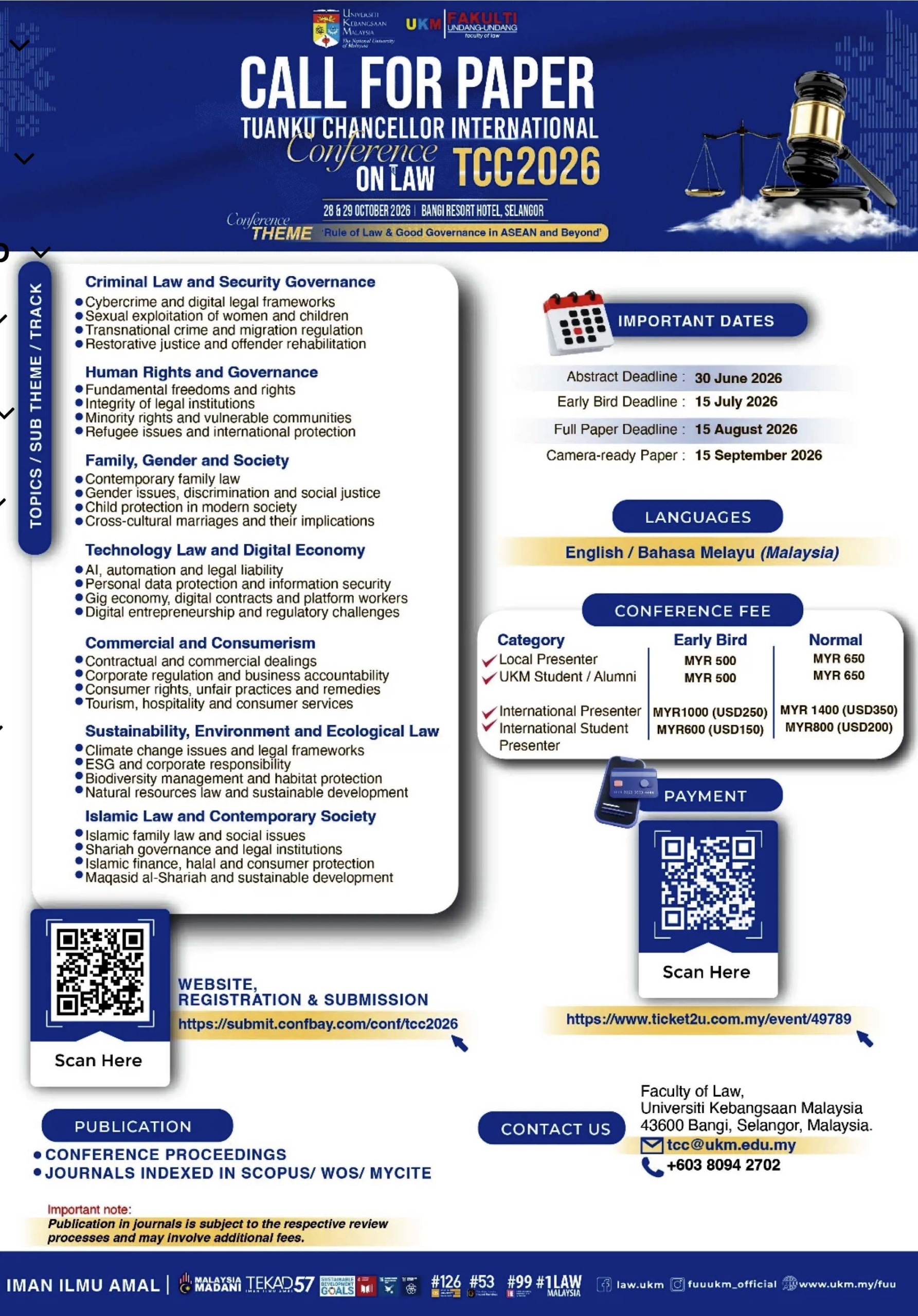
The Faculty of Law, Universiti Kebangsaan Malaysia (UKM) officially invites academics, legal practitioners, policymakers, postgraduate students, and researchers to submit papers for the Tuanku Chancellor International Conference on Law 2026 (TCC 2026).

This year's conference will center around the theme: “Rule of Law & Good Governance in ASEAN and Beyond”

Conference Schedule

  • Date: 28 – 29 October 2026
  • Venue: Bangi Resort Hotel, Bangi, Selangor, Malaysia
  • Official Languages: English / Malay (Malaysia)

Important Dates

  • Extended Abstract Deadline: 30 June 2026
  • Early Bird Deadline: 15 July 2026
  • Full Paper Deadline: 15 August 2026
  • Camera-Ready Paper Deadline: September 15, 2026

Sub-themes & Topics

  • Criminal Law and Security Governance
  • Human Rights and Governance
  • Family, Gender and Society
  • Technology Law and Digital Economy
  • Commercial and Consumerism Sustainability, Environment and Ecological Law
  • Islamic Law and Contemporary Society

Submission and Registration Link:

Submissions can be submitted online via ConfBay at: https://submit.confbay.com/conf/tcc2026

For further information and official inquiries, please contact the committee via email at [email protected] or telephone at +603 8094 2702

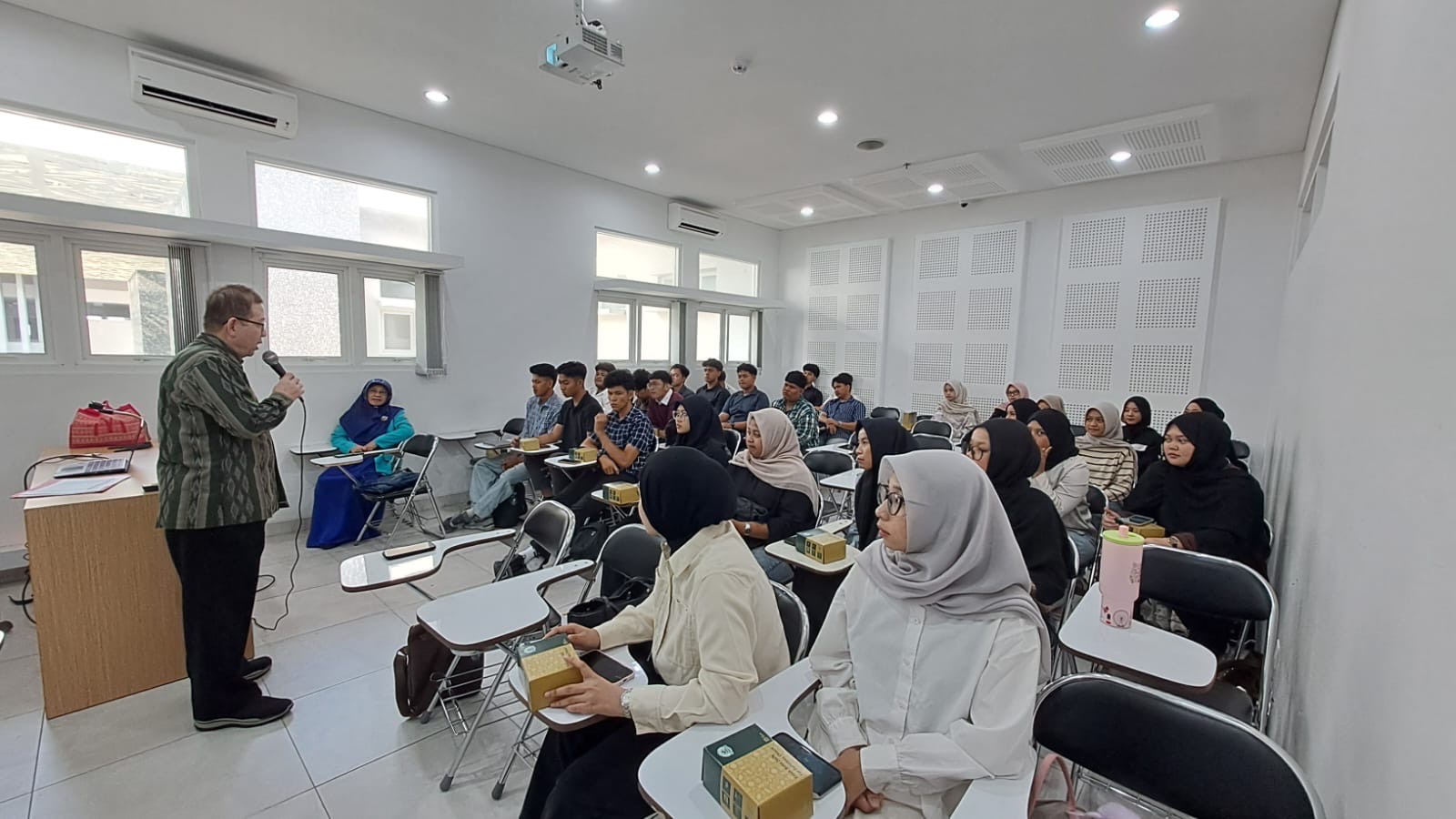
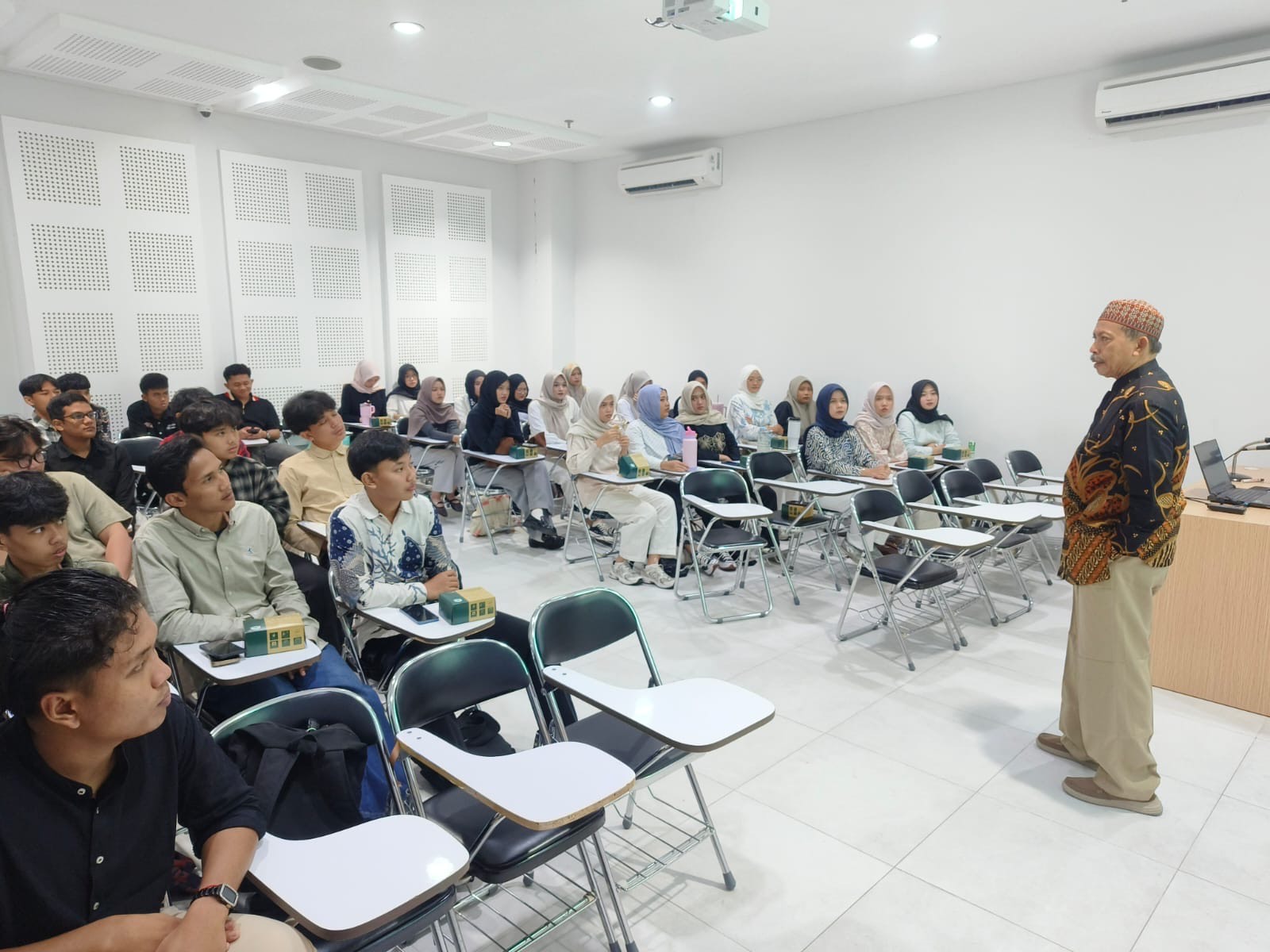
Yogyakarta, September 19, 2026 — Faculty of Law Universitas Islam Indonesia (FH UII) started the Odd Semester of the 2026/2027 Academic Year for Masters and Doctoral Program students through the General Stadium Inaugural Lecture and Study Orientation on Saturday, September 19, 2026.

The event brought together new students from three study programs: the Doctoral Program in Law, the Master's Program in Law, and the Master's Program in Notary Affairs. A total of 182 new students participated in the event, consisting of 85 Master of Law students, 84 Master of Notary Affairs students, and 13 Doctoral students.

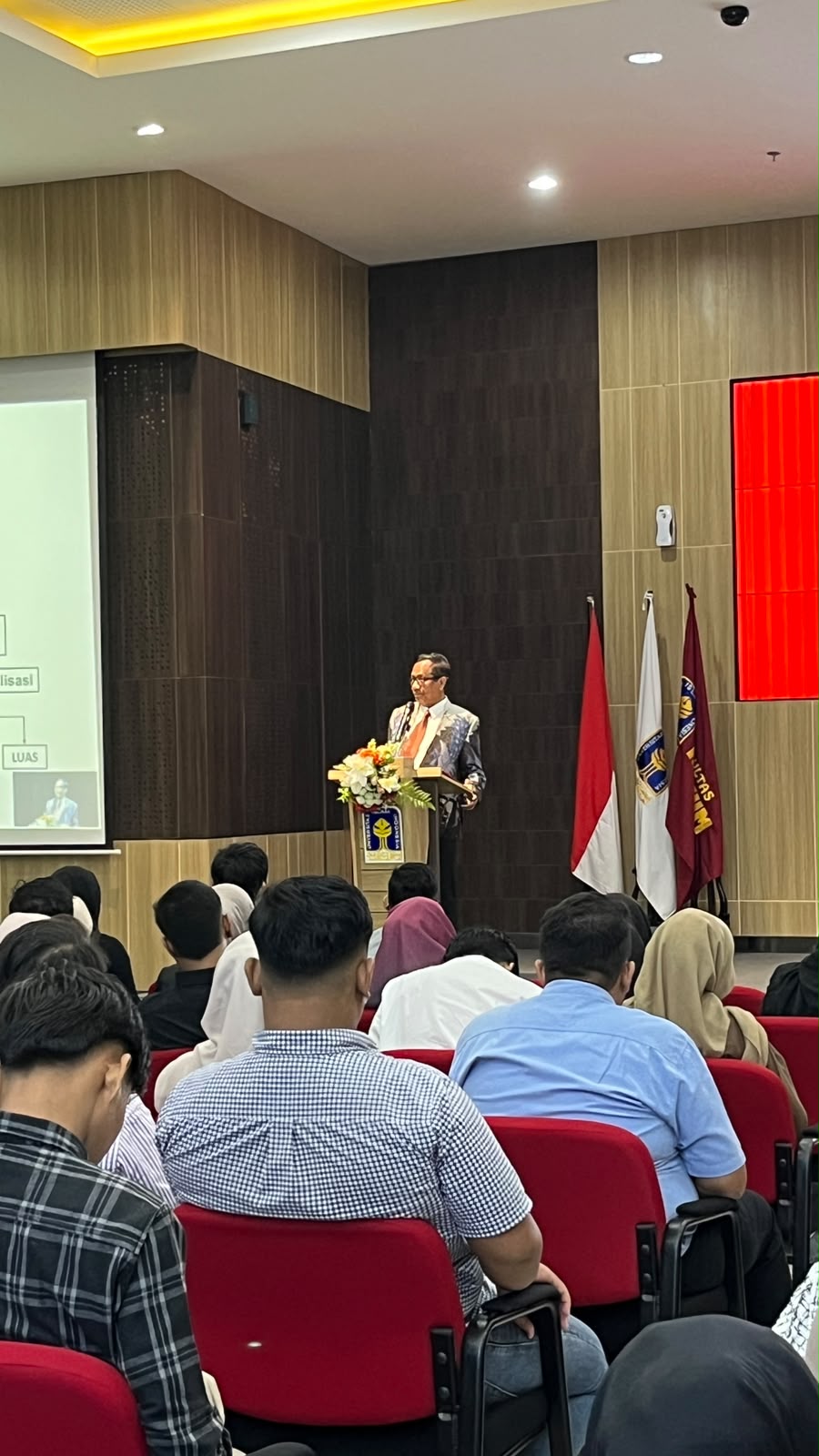
Stadium General presented Prof. Dr. Mahfud MD, Professor of Constitutional Law at the Faculty of Law, University of Indonesia (UII), who delivered a lecture on "Prophetic Political and Constitutional Jurisprudence." The material was specifically prepared for new students of the UII Faculty of Law Postgraduate Program for the 2026/2027 academic year.

Strengthening the mind, heart, morals and actions

In his presentation, Prof. Mahfud began the discussion on prophetic values ​​in education. According to the material presented, education is not solely aimed at strengthening the intellect, but also at developing the mind, heart, morals, and actions by emulating prophetic values ​​based on faith and piety in God Almighty.

These prophetic values ​​ultimately lead to the courage to uphold the truth. In the context of national education, the material also links it to the constitutional mandate regarding the implementation of national education that enhances faith and piety and advances science and technology.

For law students, this idea provides the perspective that mastery of legal theory and science needs to go hand in hand with morality and the courage to implement the law responsibly.

Statehood as Sunnatullah and Politics

Entering into a discussion of political and constitutional jurisprudence, Prof. Mahfud explained the idea that statehood is a divine law. Humans live within a system of state power, and Islamic history includes the Prophet Muhammad's experience leading the state of Medina.

He then connected national life with politics. National life is fundamentally related to the process of creating, implementing, and influencing policies in communal life. Thus, politics is understood not only as a struggle for power, but also as part of the process of managing communal life.

There is no single form of state

A key part of the inaugural lecture was a discussion of state forms and systems. Prof. Mahfud demonstrated that in the history of state thought, there have been various forms and systems, ranging from democracy, autocracy, monarchy, republic, oligarchy, theocracy, secular systems, unitary states, federalism, and various economic systems and their variants.

The principles and systems of state governance, including democracy, are explained through the concept of the distribution of power, both horizontally and vertically. Horizontally, there is a division of legislative, executive, and judicial functions through the trias politica principle , with various systems of government. Vertically, there is a choice between a federal and a unitary state, including variations in centralization, decentralization, and autonomy.

This discussion is important for UII FH Postgraduate students because it invites students to see state administration not merely as a collection of norms in the constitution, but as a system that has a philosophical, historical background, and the needs of society.

Islam and Constitution: Principles Are More Important Than Form

Prof. Mahfud then elaborated on the relationship between Islam and statecraft. Primary Islamic sources contain various terms related to state life, while the Prophet Muhammad (peace be upon him) also established the State of Medina, which fulfills the elements of the Montevideo Convention.

According to him, Islam does not stipulate a specific state system and structure that must be implemented uniformly. Systems and structures can be chosen according to needs, situations, environments, and developments, as long as the principles of maslahah (beneficial benefit) and maqasid al-syar'i (prosperous good) are adhered to. Changes in forms of government throughout Islamic history also demonstrate the dynamics of Medina, the caliphate, the imarah/imamah (immigration), the sultanate, and the dynasty. This framework places the substance and purpose of law as a crucial element in understanding constitutional issues.
The State as an Instrument of Public Prosperity

Prof. Mahfud outlined several principles. The state is positioned as a tool for worship, making its existence a necessity. The state's ideology and constitution are also linked to the concept of mitsaqan ghalidza (community-based equality ).

He emphasized that law is related to changes in time, place, and culture. Therefore, the lessons learned from Islamic teachings lie not solely in their formal form, but in the substance they seek to achieve.

The goal of sharia in the state is directed at benefit, including through the protection of religion, life, property, reason and descendants. At this point, Islam is placed as a mercy for all nature.

Pancasila and the Unitary State of the Republic of Indonesia from a Constitutional Perspective

Speaking about Indonesia, Prof. Mahfud explained that the choice of Pancasila and the Unitary State of the Republic of Indonesia was the result of a deliberation process during the nation's history and was then tested through political experience and elections. In the material, he described Indonesia's choice as inclusive and cosmopolitan.

And also stated that changes to the constitutional options are possible, but must be taken through the same method, namely deliberation, not through debate.

In the context of a diverse national life, Prof. Mahfud promoted Islamic wasathiyah as a perspective for governing the nation. The ten characteristics outlined are: Tawasuth — taking a middle position; Tawazun — balanced; I'tidal — straight or upright; Tasamuh — tolerant; Musawah — egalitarian; Shura — deliberation; Ishlah — reformative; Aulawiyah — having a scale of priorities; Tathawwur wa ibtikar — dynamic and innovative; and Hadharah — civilized.

These ten principles provide an ethical framework for law students to understand the relationship between religion, law, politics, and national life in a pluralistic society.

Dean's Message: Don't Stay Too Long at the Faculty of Law

In his remarks, the Dean of the UII Faculty of Law, Drs. Agus Triyanta, MA, MH, Ph.D., urged new students to make the most of their time studying to gain knowledge and understand the importance of the spirit of law in Indonesia's political and constitutional development.

Students are also invited to examine the history of political and constitutional practices in Islam as a source of learning and inspiration for building a better legal and constitutional life. It is hoped that after completing their education at the Faculty of Law, UII, students will be able to play a role and contribute to political, legal, and constitutional life in Indonesia.

"Don't delay studying at the Faculty of Law, because the battlefield is just around the corner," is one of the messages emphasized to new students. This message serves as a reminder that postgraduate education is not an end in itself, but rather part of the process of preparing oneself to enter the realm of service and the real professional field.
Academic Orientation of Three Study Programs

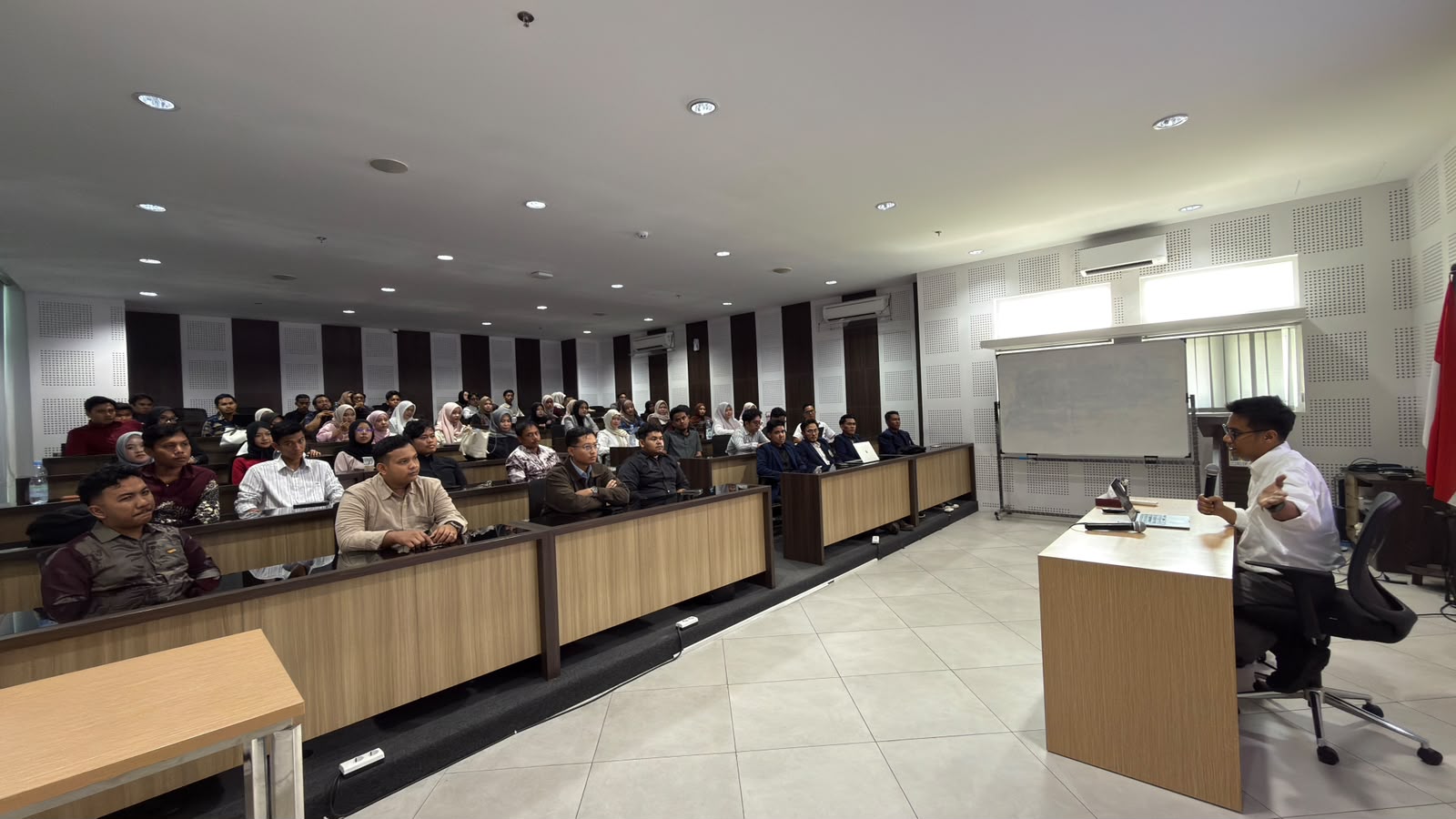
After attending the General Stadium, new students then attend Study Orientation and academic explanations and lectures according to their respective study programs.

New students of the Master of Notary Program participated in activities in the West Stage Room, 3rd Floor with the Head of the Study Program, Dr. Ariyanto, SH, MH, CN., accompanied by the Secretary of the Study Program, Dr. Inda Rahadian, SH, MH

Meanwhile, Master of Law students attended the explanation in the East Stage Room, 3rd Floor with the Head of the Study Program, Dr. Idul Rishan, SH, LL.M. without the study program secretary because Dr. Dian Kuspratiwi, SH, MH is currently on maternity leave.

The students of the Doctoral Program in Law received guidance in the VIP Lecture Room of the Doctoral Program with the Head of the Study Program, Prof. Dr. Ni'matul Huda, SH, M.Hum., accompanied by the Secretary of the Study Program, Prof. Dra. Sri Wartini, SH, M.Hum., Ph.D.

In the session, students from the three study programs received an explanation regarding the implementation of the 2026 Curriculum for students in the 2026 intake as well as the learning process that will be undertaken during the study period.

From Academics to Information Technology Services

Orientation doesn't stop at an introduction to the study program and curriculum. Students also receive explanations about various aspects supporting the educational process, including academic administration, general administration and correspondence, financial administration, assessment, lecture techniques, lecture services, and information technology services.

Thus, the series of Inaugural Lectures and Study Orientation are designed to provide students with a complete picture of their academic journey, both in terms of scientific substance and service management during their studies at the Faculty of Law, UII.

The presence of the study program leaders to welcome new students also serves as a starting point for building academic communication between students and program administrators. Students are expected to not only understand academic rules and mechanisms but also begin to build the scholarly tradition that characterizes the UII Faculty of Law Postgraduate program.

The General Stadium with Prof. Mahfud MD ultimately served as an opening that brought together legal science, political jurisprudence, state administration, and prophetic values. As the message conveyed in the lecture material, mastery of legal science must go hand in hand with morals, public welfare, and the courage to uphold the truth. With this knowledge, new students in the UII Faculty of Law's Master's and Doctoral Programs are expected to be prepared to undergo the academic process and prepare themselves to face the battlefield of service within society and the Indonesian state.

Yogyakarta, September 19, 2026 — Entering college is more than just moving from a classroom to a classroom. Students are expected to manage their own learning process, understand the academic system, build healthy relationships, and possess the resilience to complete their studies. Recognizing this, the Faculty of Law Universitas Islam Indonesia (FH UII) held Study Skills and Academic Explanation for New Students in 2026.

This activity was attended by 1.119 new students from three undergraduate programs at the Faculty of Law, UII: the Undergraduate Law Study Program (PSHPS), the International Program (IP), and the Undergraduate Business Law Study Program (PSHBPS). The students participated in 21 parallel classes with materials designed to help them understand effective study methods and gain a deeper understanding of university life and academic systems.

From Student to Learner in College

In his remarks delivered in a hybrid format, the Dean of the Faculty of Law at UII, Agus Triyanta, stated that new students need to be adequately equipped from the outset to enable them to navigate the university education process in a focused manner.

According to him, students will receive provisions from lecturers regarding learning skills in higher education, as well as enlightenment regarding strategies for pursuing education effectively so they can complete their studies on time.

"Students attending this morning will receive training from lecturers on college study skills. They will also receive enlightenment and effective strategies to graduate on time."

Agus Triyanta also emphasized that education at the UII Faculty of Law is not only directed at making students know and master knowledge, but also able to understand the nature of learning and knowledge.

This understanding, he continued, will be an important asset for students to connect the knowledge gained in the lecture hall with real life.

"When students understand, it will be easier to apply it in their daily lives, at work, and it will also be easier for them to develop the knowledge they have mastered."

This message is crucial because legal education ultimately doesn't stop at memorizing norms or understanding theory. Students need to learn to think critically, analyze problems, present arguments, read various legal sources, and connect legal knowledge to societal issues.

Preparing Mentally to Face the College Atmosphere

In addition to academic skills, new students are also equipped with an understanding of mental health and strategies for dealing with the transition from a high school environment to a college atmosphere.

These changes relate not only to learning methods but also to an increasingly diverse social environment. Students will meet friends from different regions, family backgrounds, characters, ways of thinking, and life experiences.

Therefore, students are encouraged to be mentally prepared to face a more heterogeneous environment. They need to be able to take advantage of the positive aspects of their social environment while simultaneously rejecting negative influences.

The spirit that is built is to become students who are able to maintain principles, strengthen each other, build a positive friendship environment, and remain consistent in achieving their study goals.

Thus, student success is not only determined by academic intelligence, but also by the ability to manage oneself, time, emotions, social interactions, and various challenges that arise during the study period.

Understanding the Academic “Travel Map.”

An important part of this activity is the Academic Briefing. New students are introduced to the various aspects they will face during their undergraduate studies, from the learning process, study management, courses, learning evaluation, and various academic services.

Students also need to understand that being a student means taking greater responsibility for their own learning process. They must actively monitor their schedules, understand academic requirements, monitor their progress, maintain attendance, complete assignments and assessments, and seek consultation if they encounter academic issues.

To support these services, the Faculty of Law (FH) UII has various information systems that support student activities. The FH UII portal currently provides SITA, ACADEMIC, DIKTUM, KARTIKUM, SIMPAID, and various other academic services.

Students also need to understand that the academic journey isn't something they undertake alone. There are many parties within the educational ecosystem ready to assist students when they encounter challenges.

DPA and PDPA: “Second Parents” on Campus

What is no less important in this activity is bringing together new students with Academic Supervisor Lecturers (DPA) and Academic Supervisor Assistants (PDPA).

The DPA and PDPA are expected to be the first point of contact for students facing any issues during their studies. This includes not only academic issues but also various non-academic issues that could impact their educational process.

The UII Faculty of Law academic guidance guidelines place DPA and DPA Companions as parties who need to understand the academic system, the dynamics of student development, and have mentoring and counseling capabilities.

Therefore, new students are advised that the DPA and PDPA are not merely parties providing academic administrative approval. They are students' partners in their educational journey.

"DPA and PDPA are the second parents on campus."

When students experience confusion in making academic decisions, face difficulties in following learning, experience problems with lectures, or need a place to express complaints, DPA and PDPA can be partners in discussing and finding solutions.

Effective Learning, Managing Your Studies, and Dare to Ask Questions

Becoming a student at UII's Law Faculty also means being ready to develop new study habits. Students need to learn to manage their time between lectures, reading legal materials, completing assignments, discussing activities, participating in student organizations, and developing their skills.

In legal studies, reading skills are a crucial asset. Students will encounter legislation, court decisions, books, scientific journals, legal cases, and various academic sources. Therefore, critical reading and argumentation skills need to be developed from the early semesters.

Students are also encouraged to ask questions. Not understanding isn't a sign of failure, but rather part of the learning process. The problem arises when students don't understand something but choose to remain silent and not seek help.

It is hoped that such an academic culture will make students not only recipients of information, but develop into independent learners who are able to seek, test, understand, and develop knowledge.

Becoming the Beginning of a Long Journey

The Study Skills and Academic Explanation session is more than just a welcoming event for new students. It serves as the starting point for 1.119 students to explore the academic world of the UII Law Faculty and prepare them for the challenges of legal education over the next several years.

FH UII wants students to understand from the start that successful studies require a combination of academic ability, discipline, mental health, adaptability, a healthy social environment, and the courage to ask for help when facing difficulties.

In the end, students are expected not just to become graduates who know the law, but to become people who are able to understand, analyze, apply and develop legal knowledge to answer society's problems.

Because the journey to becoming a law graduate is not just about achieving a degree, but about building the skills and character to use legal knowledge responsibly for life, society, and humanity.

Fulfillment of the Mandatory Activity points (religious guidance) at UIISKP Gateway (50 SKP or 100%) is one of the requirements for:
– KKN Registration
– Graduation at UII

Exam Requirements:
To students who are eligible for the exam: you can fill in the data on this form:
75% attendance in 1 semester of advanced level (min 9x attendance)
75% attendance in 2 semesters of intermediate level (min 18x attendance)
75% attendance in 4 semesters of basic/pre-basic level ((min 36x attendance)

How to Register:
Pay the Remedial Exam fee of Rp. 35.000,00 (thirty five thousand rupiah) via transfer to: MANDIRI BANK Account : Number 137-00-1799474-6 an UII Faculty of Law

Registration Period:
Remedial Exam Registration is open: 1 to 20 November 2025.
The exam was held at 4th week of November 2025 (date to follow)

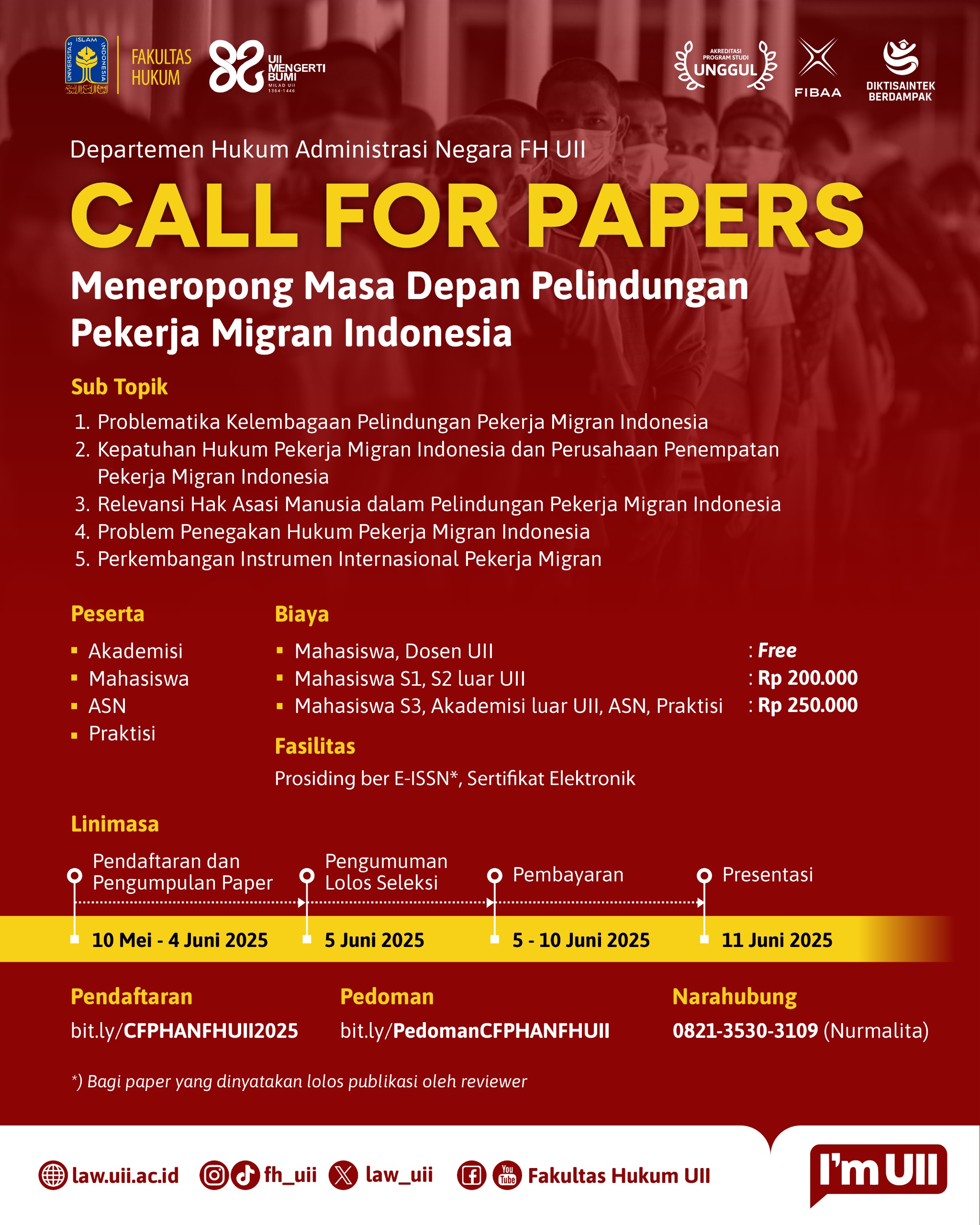
[CALL FOR PAPER – NATIONAL SEMINAR HAN FH UII 2025]


The Department of Public Administrative Law, Faculty of Law, UII invites academics, researchers, students, and legal practitioners to participate in the Call for Paper National Seminar with the theme:

✨ Looking at the Future of Protecting Indonesian Migrant Workers ✨

Subtheme:
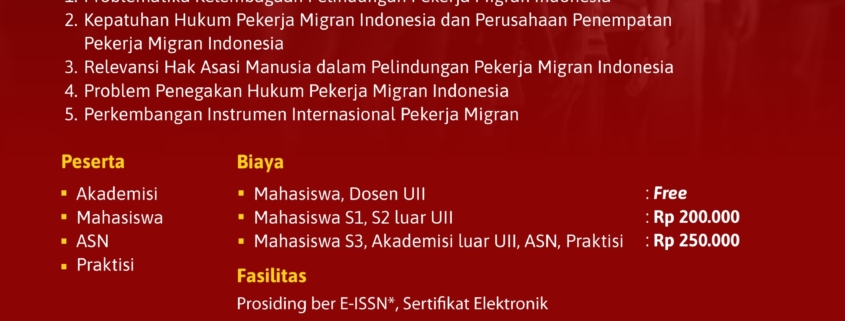
1. Institutional Problems in Protecting Indonesian Migrant Workers
2. Legal Compliance of Indonesian Migrant Workers and Indonesian Migrant Worker Placement Companies
3. The Relevance of Human Rights in the Protection of Indonesian Migrant Workers
4. Problems of Law Enforcement for Indonesian Migrant Workers
5. Development of International Instruments for Migrant Workers

Activity Timeline:
▪️ Registration & Full Paper Submission: May 10 – June 4, 2025
▪️ Announcement of Successful Selection: June 5, 2025
▪️ Contribution Payment: June 5 – 10, 2025
▪️ Presentation: June 11, 2025

Registration Link: bit.ly/CFPHANFHUII2025
Writing Guidelines Link: bit.ly/PedomanCFPHANFHUII

Contact person: 0821-3530-3109 (Nurmalita )

Don't miss this opportunity to contribute to the development of legal discourse and policies for the protection of migrant workers in Indonesia!

Salam,
Committee of the 2025 UII Faculty of Law National Seminar

Peace be upon you FH fellas,

The UII Faculty of Law, through the UII FH Training Center, in collaboration with the Indonesian Legal Auditors Association (ASAHI), is holding "Legal Auditor Education and Certification"

Come on, note the date, don't miss it!

timeline:
Registration Deadline: May 28, 2025
Payment Deadline May 29, 2025
Education: June 9-12, 2025 (online)
Certification Exam: June 24-25, 2025 (offline at the Faculty of Law, UII Yogyakarta)

Registration fee:
1. General (Min. Bachelor's Degree in Law):
Tuition Fee: Rp. 4.500.000
Certification Fee: Rp. 4.000.000
2. UII Faculty of Law Alumni: Rp. 8.000.000
3. Especially for outstanding students of the UII Faculty of Law (limited to 30 people), the registration fee is IDR 1.000.000, with the following conditions:
– Have a minimum GPA of 3,5 or have won a competition representing the UII Faculty of Law with a minimum achievement of 3rd place
– Registered for graduation in May 2025
– Have a certificate of graduation

Registration Link: https://portal.law.uii.ac.id/events /

For further information please contact:
WhatsApp: 0823-2852-6601
IG: @pusdiklatfhuii


Supreme Court Certified Mediator Education & Training – Batch 2 (Postponed)

The Center for Mediation and Alternative Dispute Resolution of the Faculty of Law, UII, together with the Indonesian Mediation Center of UGM, held a certification for Supreme Court-certified mediators.

Implementation:
December 12-15, 2024 at the Faculty of Law, UII Integrated Campus, Jl. Kaliurang KM 14,5, Sleman, Yogyakarta

️ BENEFIT:
* Mediator certification accredited by the Supreme Court can be registered as a Non-Judge Mediator in general courts.
* ⁠Professional Mediator (Mediator Practice Office)

FACILITY:
* Goodie bag, Training Module, mediator batik cloth
* ⁠Coffee Break and lunch
* ⁠Access the LMS (Learning Management System) for learning

COST:
* Rp. 8.000.000,-
* ⁠transferred to BSI account 7272-405-338 in the name of PMPSA (Bambang Sutiyoso)

Registration Link:
https://portal.law.uii.ac.id/events/

Contact Person & Registration Confirmation:
0812-4713-8502
(Andi Makkasau)

#MediationCenter #AlternativeDisputeResolution
#IndonesiaMediatorCenter

The Center for Mediation and Alternative Dispute Resolution of the Faculty of Law, UII, together with the Indonesian Mediation Center of UGM, held a certification for Supreme Court-certified mediators.

Implementation:
July 18-21, 2024 at the Faculty of Law, UII Integrated Campus, Jl. Kaliurang KM 14,5, Sleman, Yogyakarta

️ BENEFIT:
* Mediator certification accredited by the Supreme Court can be registered as a Non-Judge Mediator in general courts.
* ⁠Professional Mediator (Mediator Practice Office)

FACILITY:
* Goodie bag, Training Module, mediator batik cloth
* ⁠Coffee Break and lunch
* ⁠Access the LMS (Learning Management System) for learning

COST:
* Rp. 8.000.000,-
* ⁠transferred to BSI account 7272-405-338 in the name of PMPSA (Bambang Sutiyoso)

❇️ DISCOUNT: 20%
* invite colleagues and peers
* ⁠UII Alumni

Registration Link:
https://portal.law.uii.ac.id/events/

Contact Person & Registration Confirmation:
0812-4713-8502
(Andi Makkasau)

#MediationCenter #Resolution